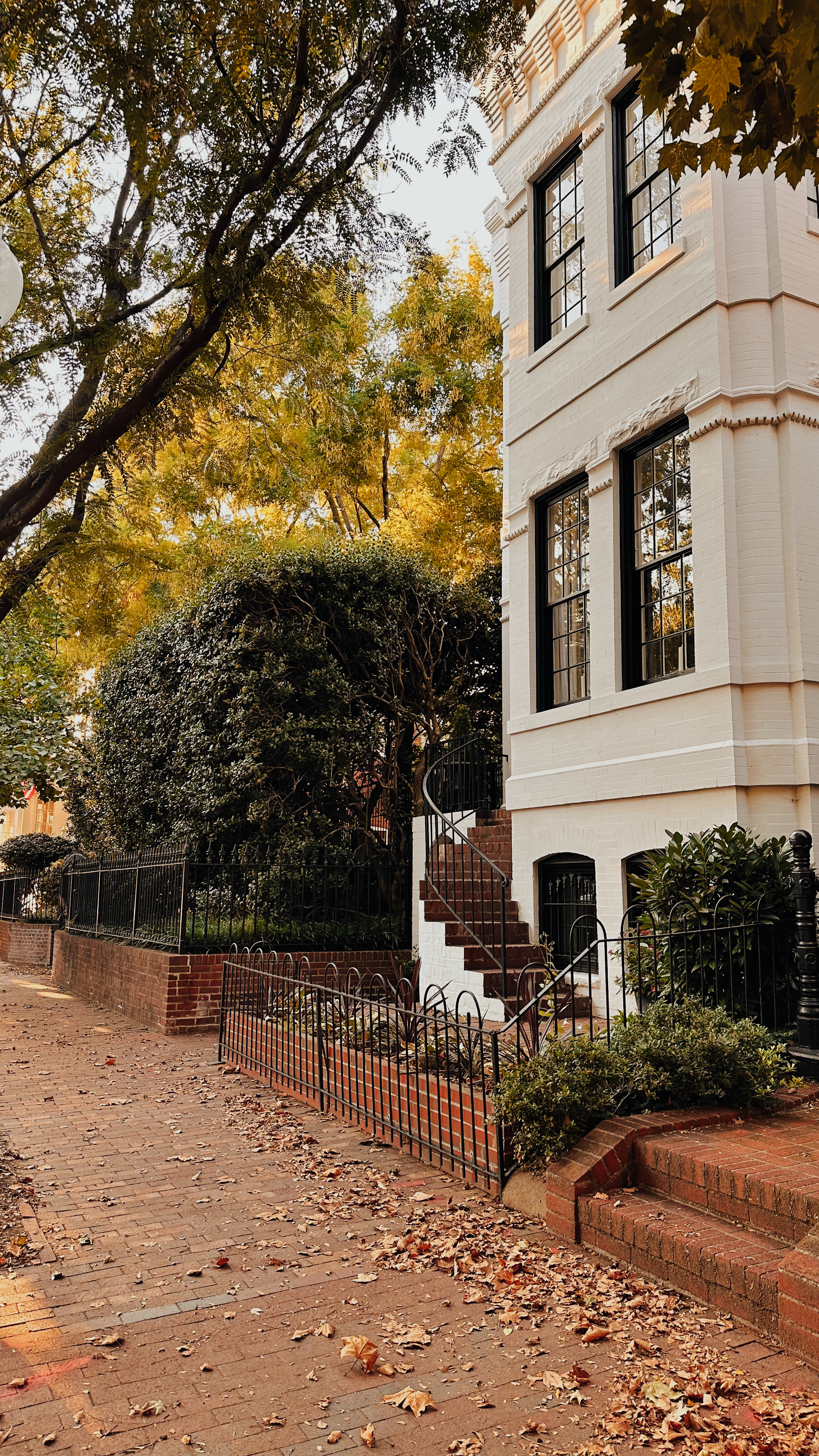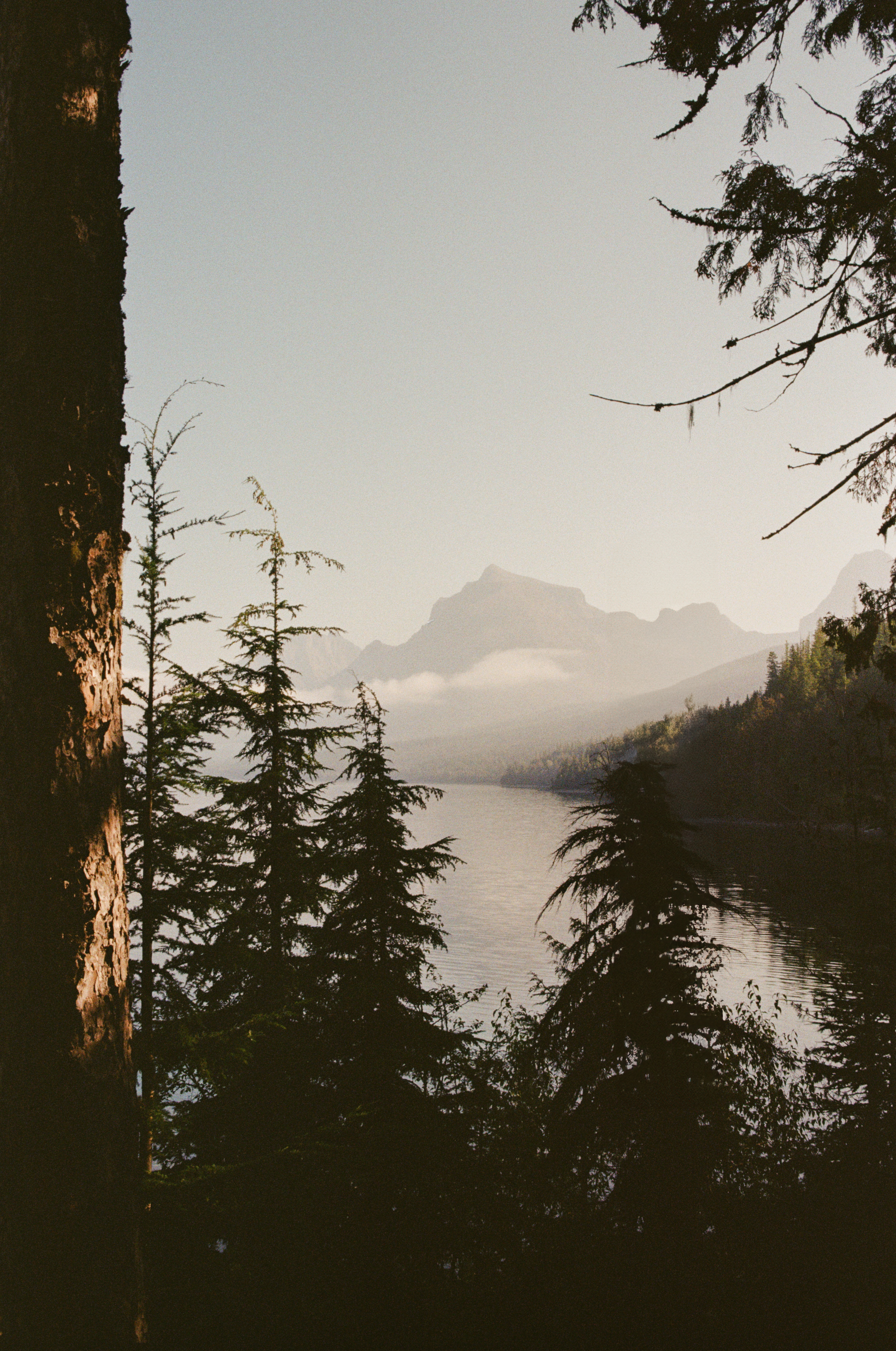
Many houses in the Poconos sat empty on Thanksgiving, their owners at a table in Philadelphia or New York while the wind worked through the hemlocks. The storm in the mountains was mostly a wind event: WFMZ reported peak gusts of 45 to 50 miles an hour across the Poconos and Lehigh Valley, with rainfall broadly in the inch to inch-and-a-half range and few flooding concerns after a dry autumn. The first visit to a Poconos vacation home after a storm is less about damage than about attention, and it rewards an unhurried walk.
Outside, before you unlock the door
Walk the property once with the house still closed. Fallen limbs, a displaced gutter or a damaged roof vent tell you where to look inside. Pay attention to the exterior terminations of the house’s systems: the dryer vent hood, any high-efficiency furnace intake and exhaust pipes, the outdoor unit of a heat pump and the chimney cap. Wind has a way of filling these small openings with leaves and needles.
- Dryer vent hood: intact, flap closing, clear of nests and debris.
- Furnace or boiler pipes: clear of leaves and snow, undamaged.
- Heat pump: a clear perimeter of a foot or two, no limbs resting on it.
- Gutters and downspouts: discharging away from the foundation.
Inside a Poconos vacation home after a storm
Open the door and pause. A closed house speaks first through scent. Cold stone, woodsmoke and pine are the house being itself; a damp, musty note is the house asking for air. Raise the heat gradually, check the basement or crawlspace for moisture, and read a hygrometer if you keep one. The EPA recommends indoor relative humidity below 60 percent, ideally 30 to 50.
At a glance
First hour
- Walk the exterior
- Note any musty smell
- Raise the heat gradually
- Check the basement or crawlspace
Before guests arrive
- Change the furnace filter
- Run the dryer and check airflow
- Confirm humidity has settled
- Note anything for a professional
WFMZ: gusts of 45 to 50 mph across the Poconos and Lehigh Valley on Thanksgiving.
If the power was out at your Poconos vacation home after a storm
Outages in the mountains can outlast those in the city, and an empty house tells no one when the power went out or came back. Check that the heating system has restarted and is holding temperature, look at the thermostat schedule and breaker, and confirm that any sump pump is running. A smart thermostat or a simple temperature alert, if you have one, will show the history. Ready.gov’s outage guidance is a useful reference to keep in the kitchen drawer.
The air system and the season ahead
Pocono houses live in rhythms: closed for weeks, then full of family and friends for a long weekend. That rhythm suits the duct system well when the house stays dry, and less well when it does not. If you notice moisture near returns, debris drawn into a damaged intake or a musty smell at the registers once the heat runs, an inspection is sensible before the holiday weeks. Our essay on the Poconos second home seasonal opening checklist covers the broader routine, and our Poconos air duct cleaning page describes how we schedule visits around owners who are not always there.
Lake houses and low ground
Houses on Lake Wallenpaupack, Lake Harmony or the smaller community lakes sit closer to the water table than ridge-top cabins, and their crawlspaces respond to every heavy rain. Even in a storm that left most of the region without flooding, a low corner of a lot can collect runoff. Look at the crawlspace vapor barrier, the sump and the lowest run of ductwork. If they are dry, the house came through well.
Ski season and the dryer
Ski areas across the Poconos are projected to open in early to mid-December, conditions permitting. A ski weekend means wet gloves, wool socks and a dryer that runs from afternoon to midnight. A clear vent matters most precisely then; NFPA recommends cleaning the vent pipe once a year, or more often if clothes take longer than normal to dry.
We share scenes from the mountains, always without addresses, on Instagram at @martinsairductcleaning, and the longer Pocono essays in the Martin’s Journal.
Frequently asked questions
Can you inspect the house when we are not there?
Yes. Many Pocono owners arrange access through a caretaker or lockbox. We photograph everything and send you the record.
Did the Poconos flood on Thanksgiving?
Regional reporting described the storm in the Poconos as primarily a wind event, with about an inch to an inch and a half of rain and few flooding concerns. Individual low-lying properties may differ.
Should I run the heat high to dry the house out?
Raise it gradually and use a dehumidifier in damp spaces. Moving air and lower humidity dry a house more evenly than heat alone.
How often should a vacation home’s dryer vent be cleaned?
NFPA recommends once a year, or sooner if drying times lengthen. Heavy rental use may warrant closer attention.
Sources
- WFMZ-TV 69 News, “Nor’easter recap: Some peak wind gusts and rainfall totals from our Turkey Day torrent”
- CBS Philadelphia, Thanksgiving Day storm live updates (Nov. 26, 2026)
- lehighvalleylive.com, Thanksgiving coastal storm forecast citing the National Weather Service (Nov. 25, 2026)
- U.S. EPA, A Brief Guide to Mold, Moisture and Your Home
- Ready.gov, Power Outages
- NFPA, Clothes Dryer safety tip sheet
- OnTheSnow, Northeast ski resort projected opening dates 2026/27
Begin with a complimentary onsite estimate
Reserve a half hour. Brandon and Shantal Martin will walk your home with you, explain what they find, and give you one firm price before any work begins. The decision afterward is entirely yours.
Or call (215) 990-5676. Open Monday to Saturday.